Alaska Conservation Trip Highlights Experiential Learning in Wildlife and Culture
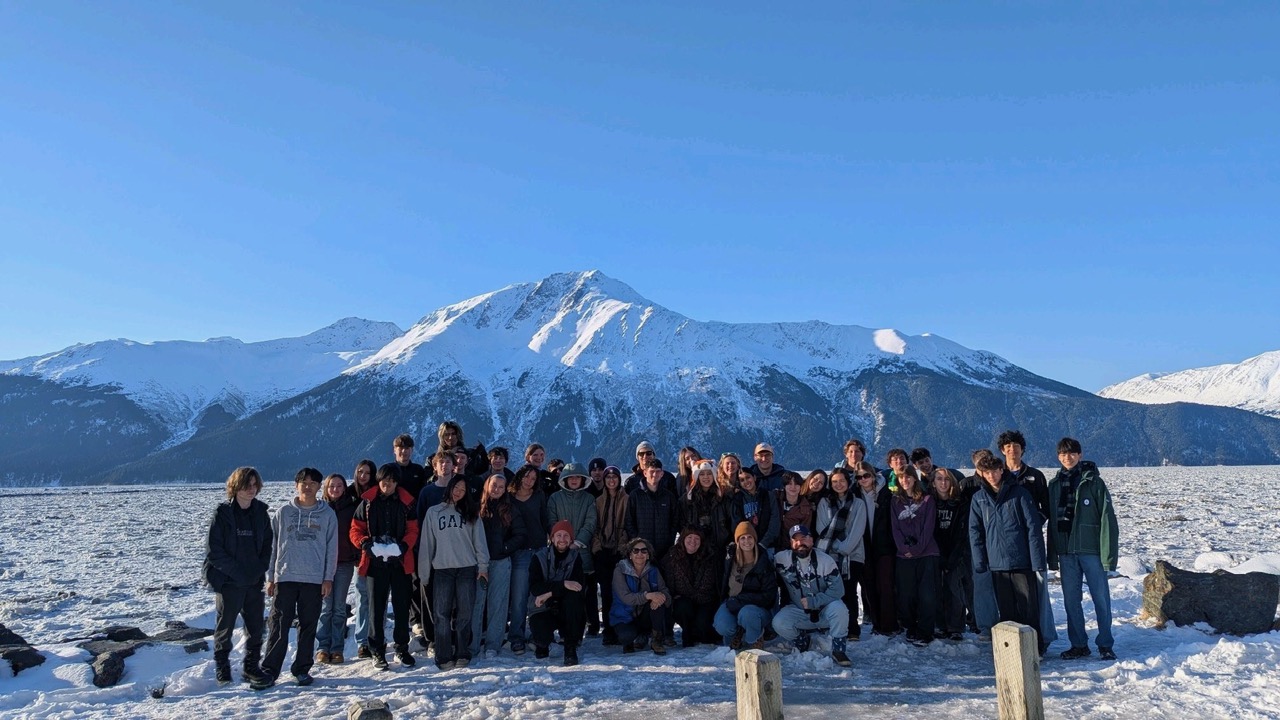
Experiential learning in conservation is increasingly recognized as essential to student development, particularly as environmental challenges grow in complexity and urgency. Last month, students from Bentley Upper School in California participated in an educational, conservation-focused trip to Alaska. The itinerary combined wildlife science, environmental stewardship and cultural education.
Alaska Native Heritage Center
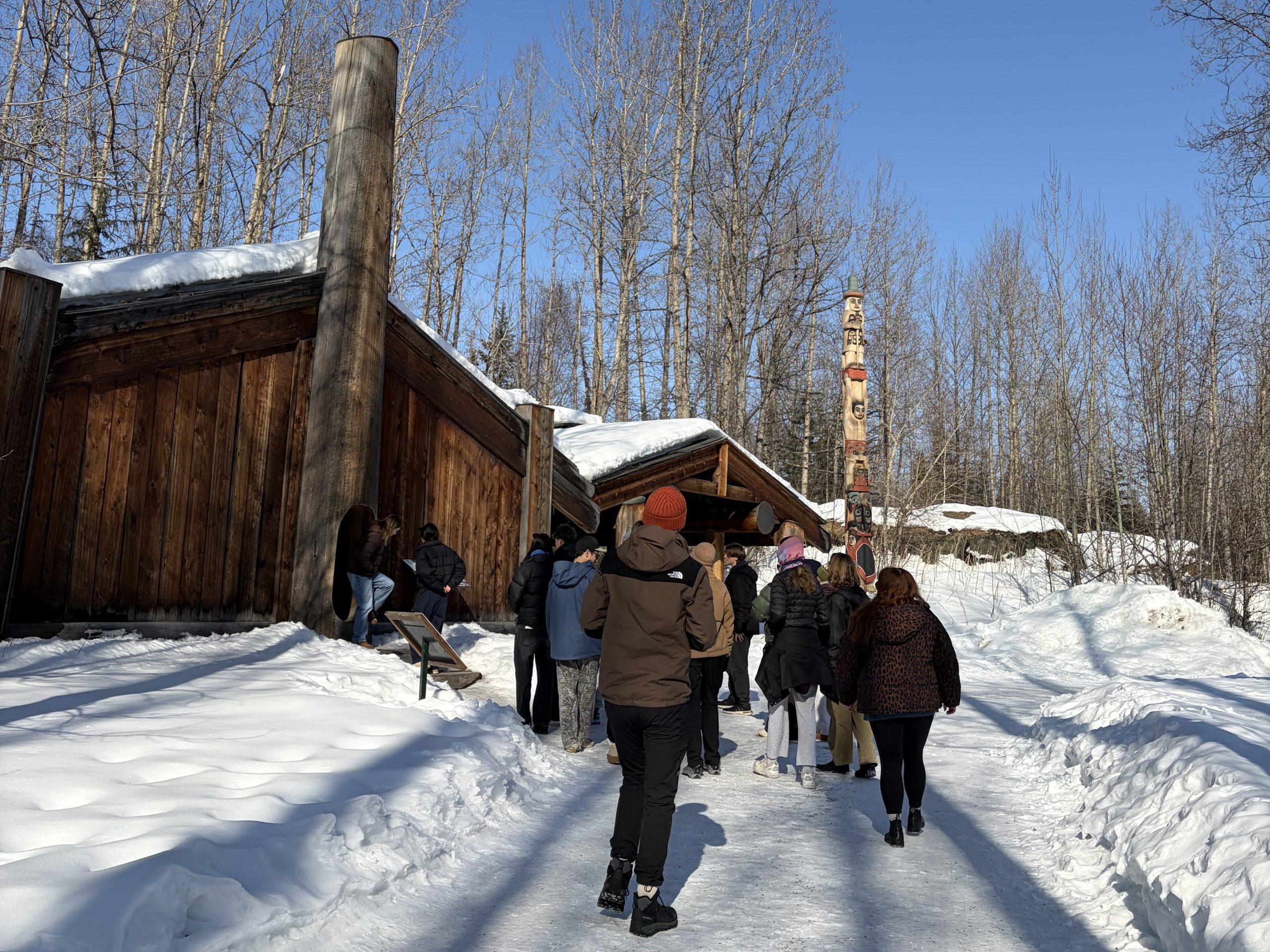
The Bentley Upper School’s trip began in Anchorage with a visit to the Alaska Native Heritage Center. This experience grounded students in the traditions and knowledge of Alaska Native cultures. Through exhibits and guided learning, students explored how Indigenous communities have long practiced sustainable living and environmental stewardship.
Alaska Wildlife Conservation Center
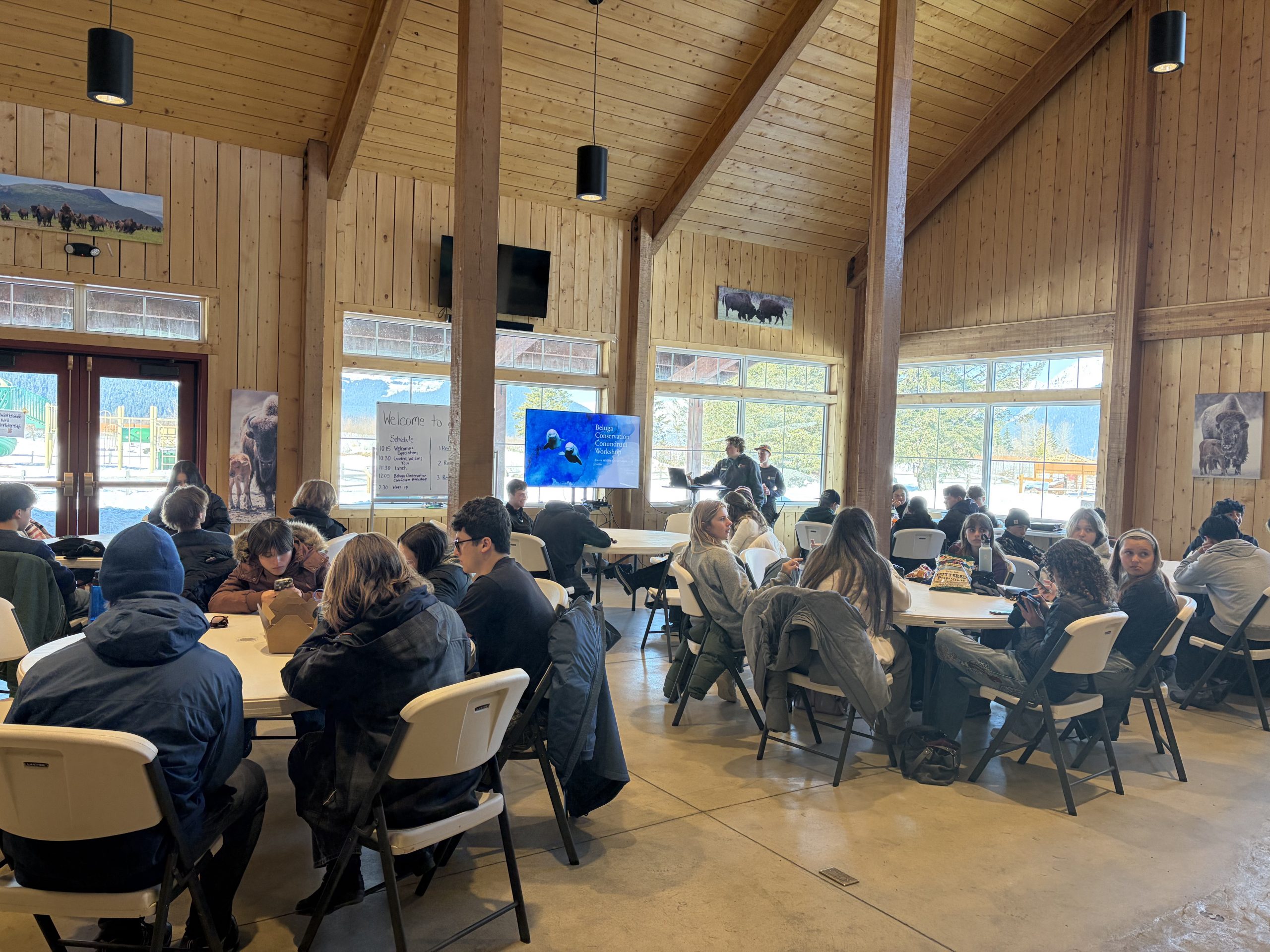
Students then traveled to the Alaska Wildlife Conservation Center, a facility dedicated to preserving Alaska’s native species through conservation, education and research. During their visit, students participated in a beluga conservation workshop, where they examined the challenges facing Beluga whale populations. The session emphasized habitat protection, human impact and ongoing research efforts, providing a clear example of applied environmental science.
Spring Wildlife Cruise
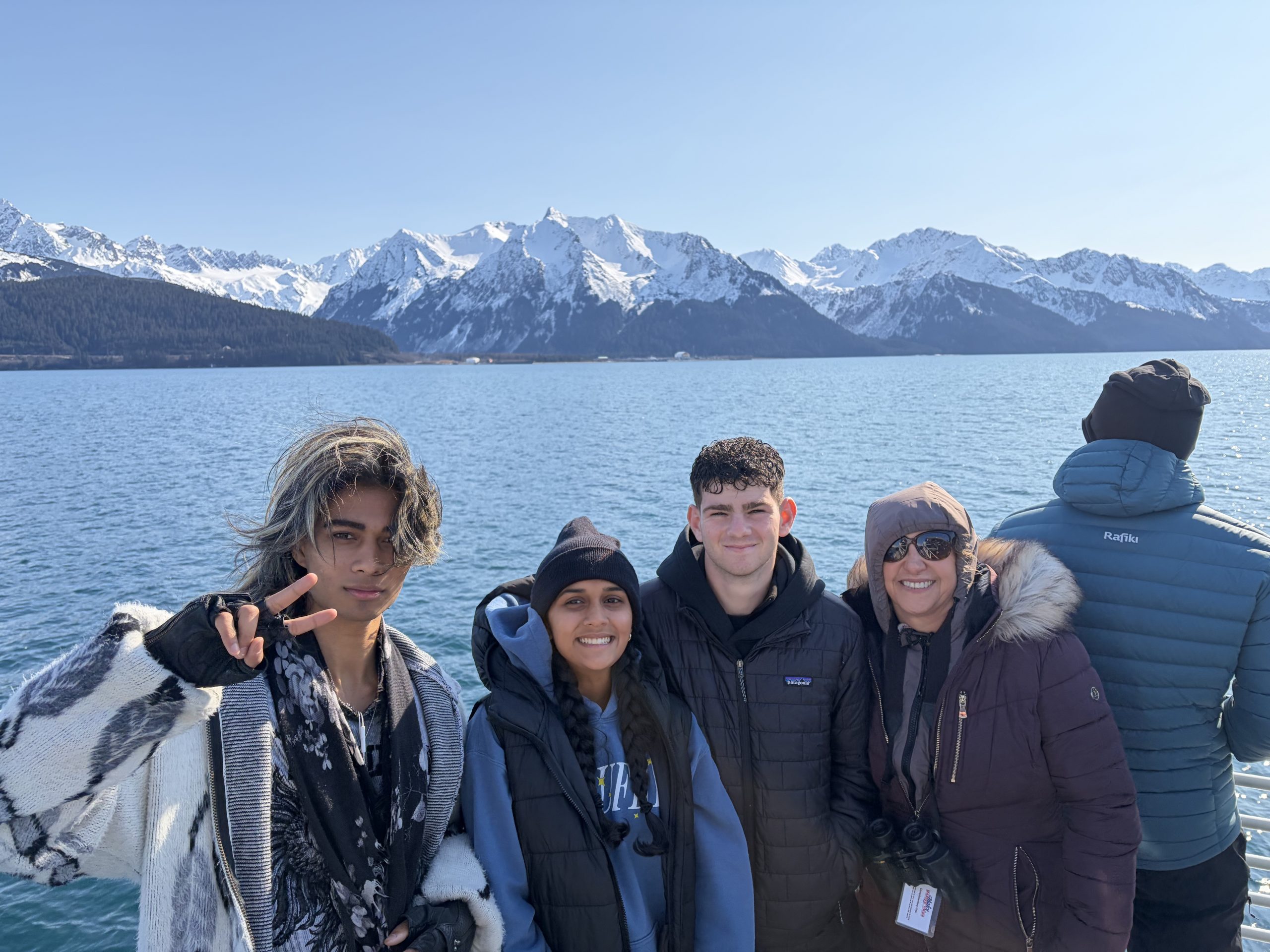
A highlight of the trip was a spring wildlife cruise departing from Seward, exploring Resurrection Bay and the Gulf of Alaska. The purpose of the excursion was to allow students a chance to witness the annual migration of gray whales, which travel approximately 5,000 miles from Baja California to Alaskan waters. In addition to gray whales, students were in the perfect spot to observe orcas, humpback whales and other marine wildlife in their natural habitat.
Alaska SeaLife Center
The program continued at the Alaska SeaLife Center, where students engaged in two hands-on workshops. In “The Scoop on Poop,” students analyzed scat from endangered Steller sea lions to investigate dietary patterns and population decline. This activity introduced the scientific method in a practical context, encouraging students to form hypotheses and interpret data.
In the “Scientists in Action” workshop, students explored marine animal rehabilitation. They learned how veterinarians and researchers respond to stranded or injured wildlife through the center’s Wildlife Response and Rehabilitation program. Working in teams, students simulated patient care, gaining insight into the interdisciplinary nature of conservation work.
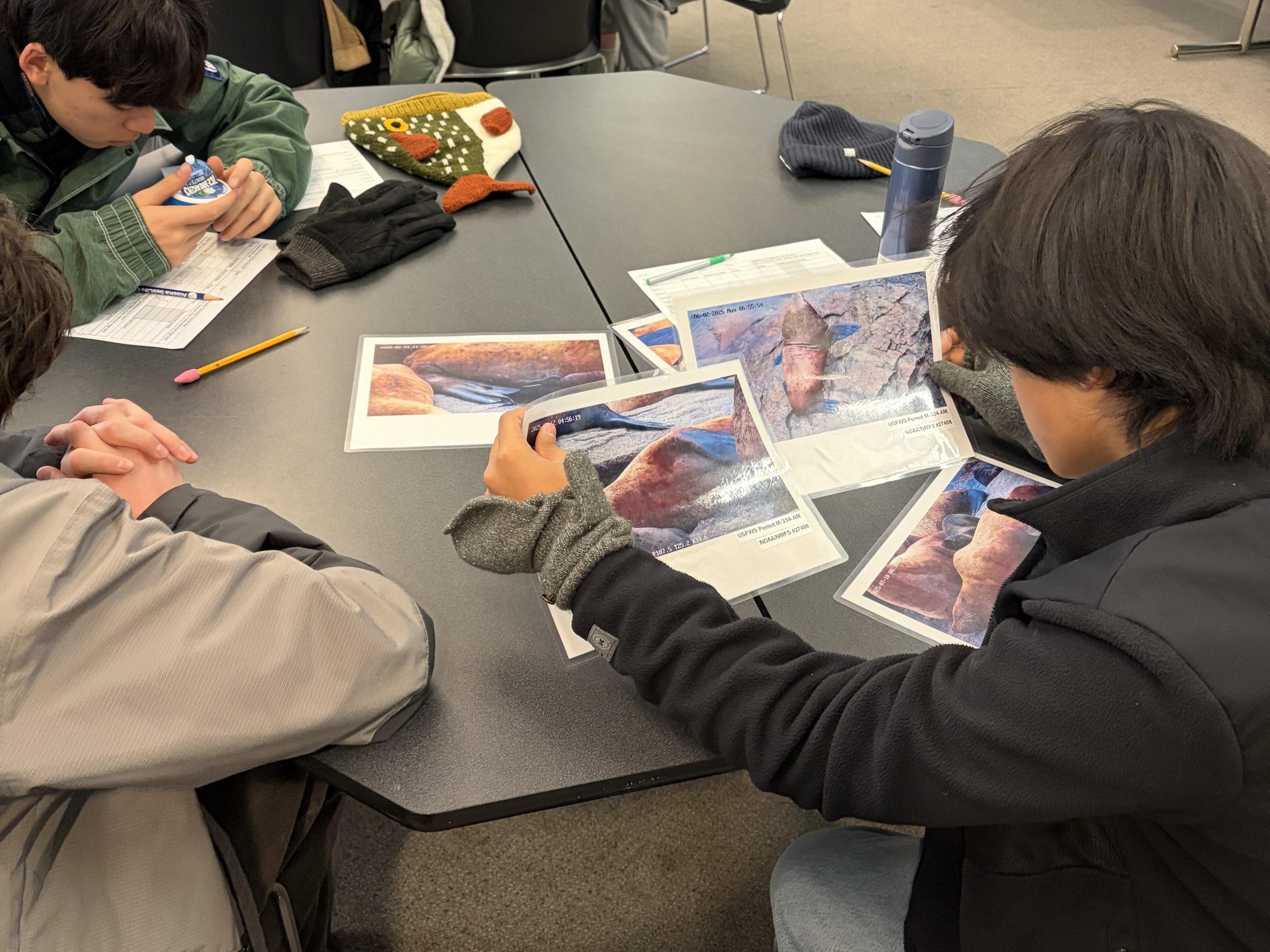
Throughout the trip, Bentley students experienced a balance of structured learning and direct observation. Each activity connected back to broader environmental themes, including biodiversity, human impact and sustainability.
Conservation-focused trips not only enhance subject matter understanding but also inspire long-term engagement with environmental issues. As schools continue to prioritize experiential learning, conservation-focused travel remains a powerful tool for preparing students to navigate and protect the natural world.