Students Experience Cultural Immersion in South Korea
For students, international travel creates learning opportunities that cannot be replicated in a traditional classroom setting. Cultural immersion places students inside the history, language, customs and daily life they study in textbooks. Through guided educational travel, students develop global awareness, adaptability and confidence while building connections to the people and places they encounter. For schools seeking meaningful academic experiences abroad, South Korea offers an ideal blend of history, innovation, art and contemporary culture.
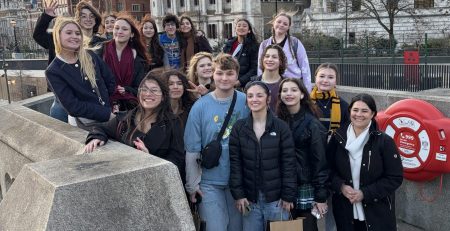
In March 2026, students from Westridge School for Girls (CA) traveled to South Korea for a multi-city educational trip designed around experiential learning. The itinerary combined Korean history, contemporary culture, art, wellness, technology and regional exploration through guided educational activities across Seoul, Gyeongju and Busan. Rather than focusing on sightseeing alone, the trip emphasized opportunities for students to engage directly with Korean society and connect classroom subjects to real-world experiences.
Exploring Korean History and National Identity
One of the central themes of the trip was historical learning. Students visited several of South Korea’s most significant cultural and historical landmarks, giving them firsthand exposure to the country’s royal heritage, wartime history and long-standing traditions.
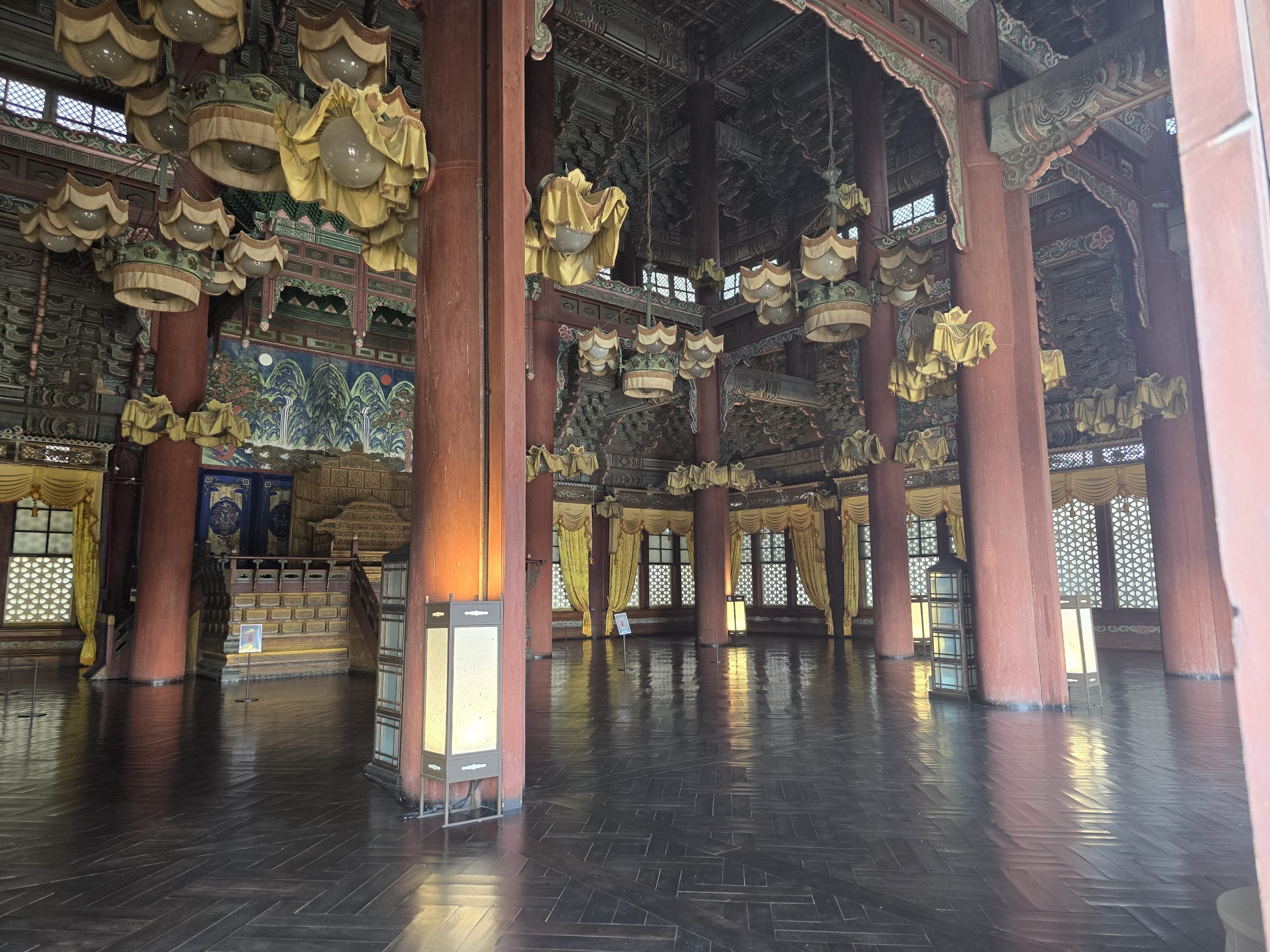
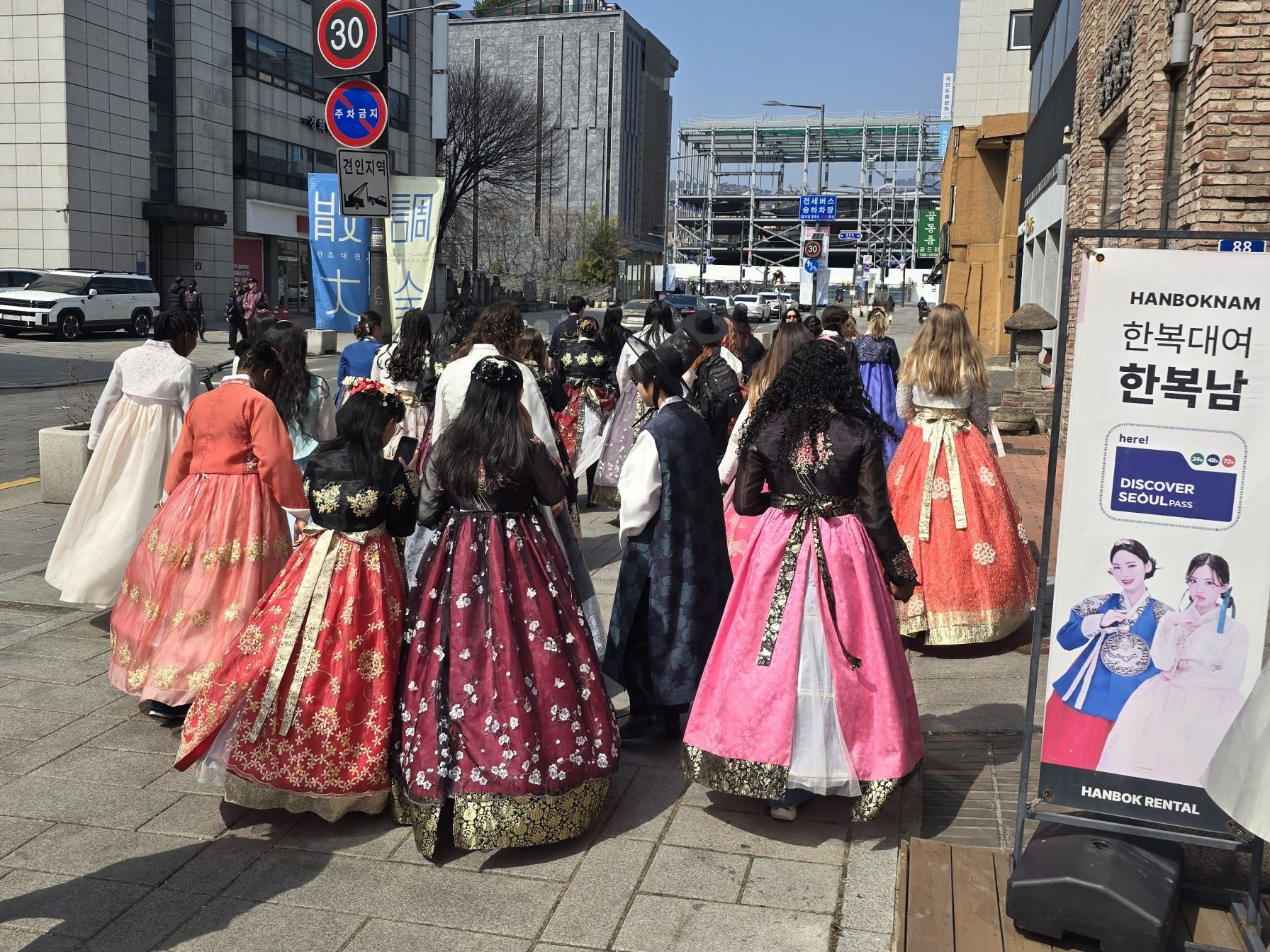
The experience began at Changdeokgung Palace, a UNESCO World Heritage site and one of the best-preserved royal palaces from Korea’s Joseon Dynasty. Many students explored the palace grounds while wearing traditional hanbok, creating a more immersive connection to Korean customs and court history. Walking through the palace complex allowed the group to examine traditional Korean architecture, governance and ceremonial life.
The group also visited the National Folk Museum of Korea, where exhibits highlighted Korean daily life, social customs and household traditions across different historical periods. The museum provided important context for many of the cultural practices students encountered throughout the trip.
A guided excursion to the Korean Demilitarized Zone offered another major educational component. Students toured Imjingak Park, the Freedom Bridge, the Third Infiltration Tunnel and the Dora Observatory while discussing the continuing division of the Korean Peninsula. The visit encouraged conversations about diplomacy, international relations and modern geopolitical issues.
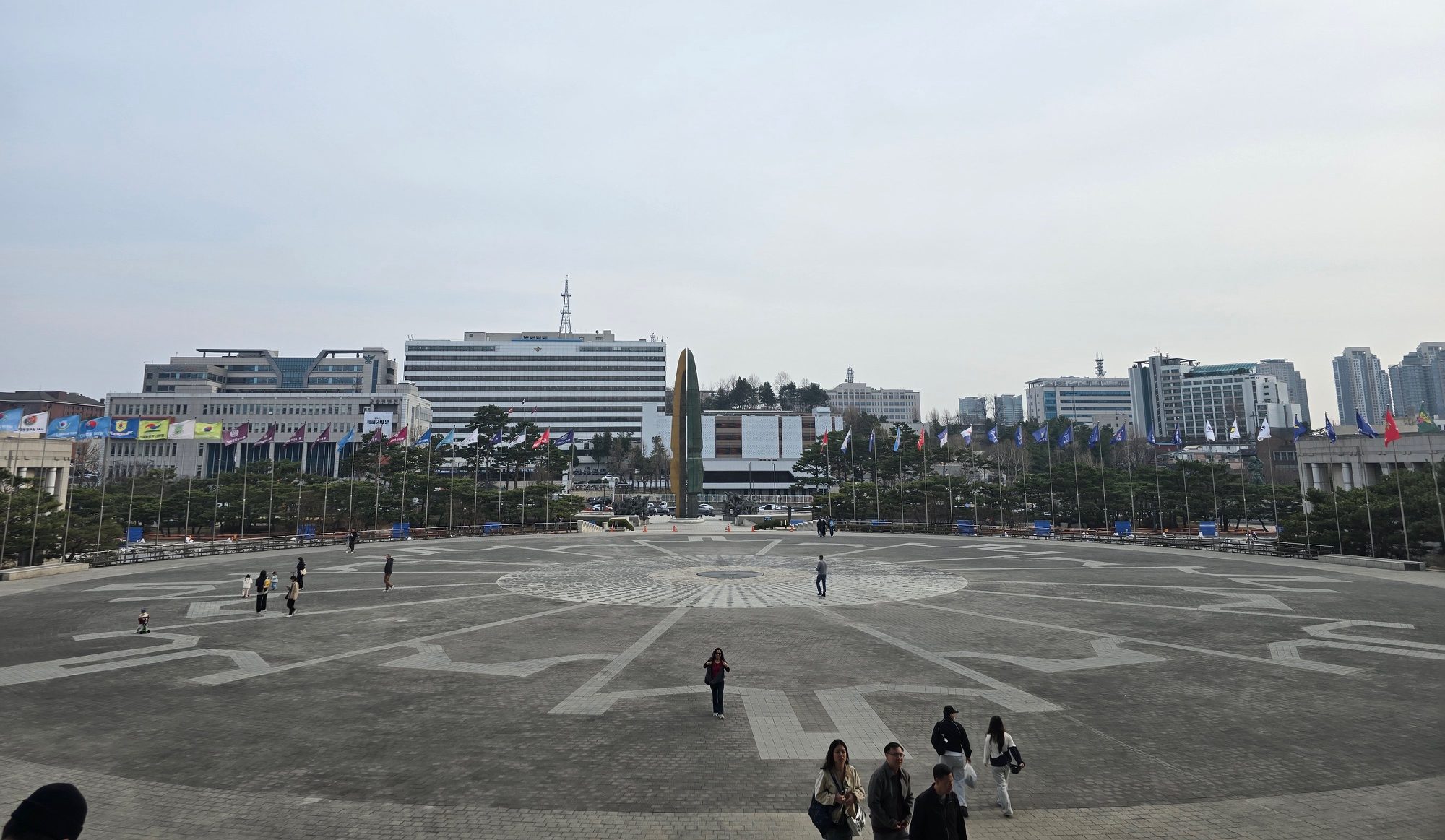
Historical learning continued at the War Memorial of Korea, where travelers explored exhibits focused on the Korean War and Korea’s broader military history. Experiences like these helped connect classroom discussions about conflict and global politics to real places and historical artifacts.
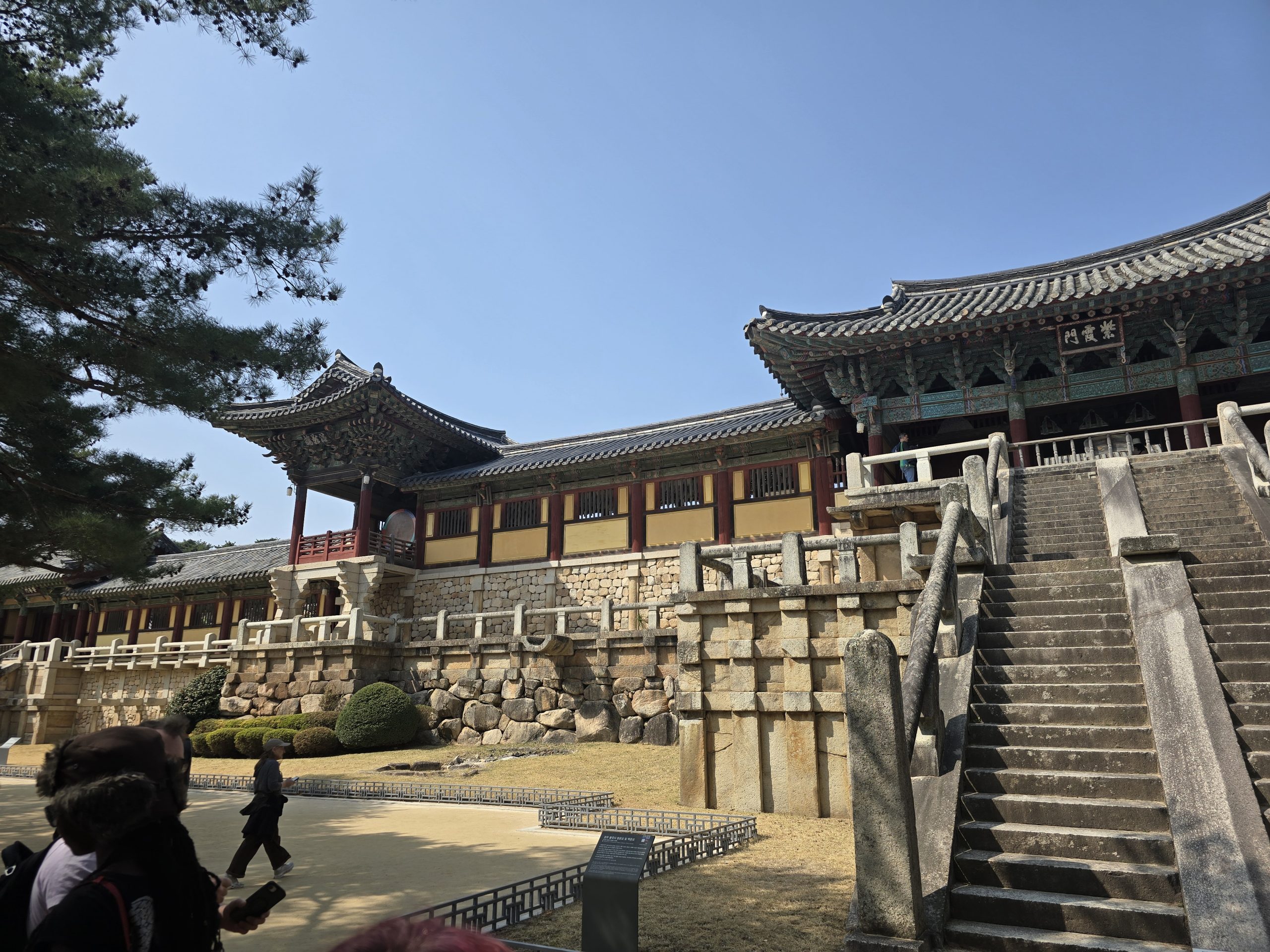
Outside Seoul, students traveled by KTX high-speed rail to Gyeongju, often referred to as “the museum without walls.” There, the group visited the Daereungwon Tomb Complex, Cheomseongdae Observatory and Bulguksa Temple. These sites introduced students to the scientific, religious and cultural achievements of ancient Korea while reinforcing the importance of preservation and cultural heritage.
Engaging With Contemporary Korean Culture
The itinerary also emphasized South Korea’s global influence in entertainment, fashion, beauty and youth culture. Students explored neighborhoods including Insadong, Gangnam, Itaewon and Hongdae, each offering different perspectives on modern Korean society.
In Insadong, students experienced traditional tea houses, artisan shops and street culture, while nearby Gwangjang Market introduced them to Korean street food, commerce and daily urban life. Students also learned about contemporary Korean performing arts and entertainment culture by participating in a K-pop dance lesson led by local instructors.
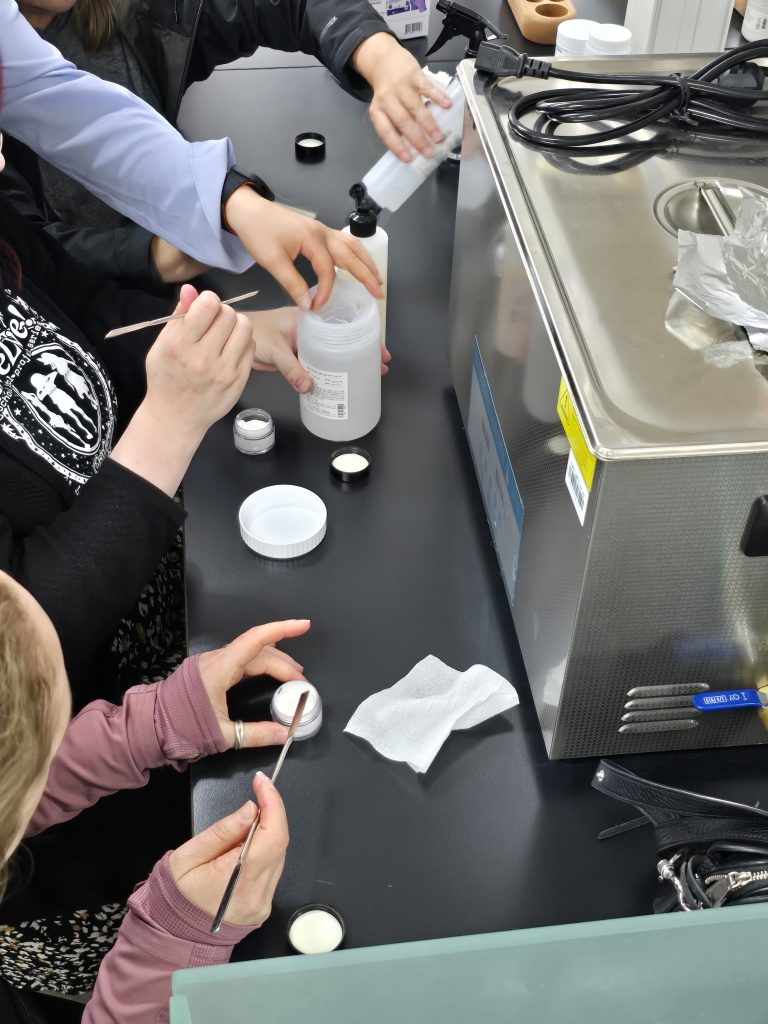
An academic skincare program at Sungshin Women’s University explored the cultural influence behind another major Korean global industry. The session compared differences in ingredients, daily regimens and beauty trends in Korea versus in the United States and Europe.
Evening activities included a visit to a noraebang, or Korean karaoke venue, in Hongdae. Shared cultural experiences like these helped Westridge students better understand how local students and families socialize while strengthening group connections during the trip.
Learning Through Museums and the Arts
Museums and creative institutions formed another major component of the educational experience. Throughout the trip, Westridge students explored how South Korea preserves traditional culture while investing heavily in contemporary art and digital innovation.
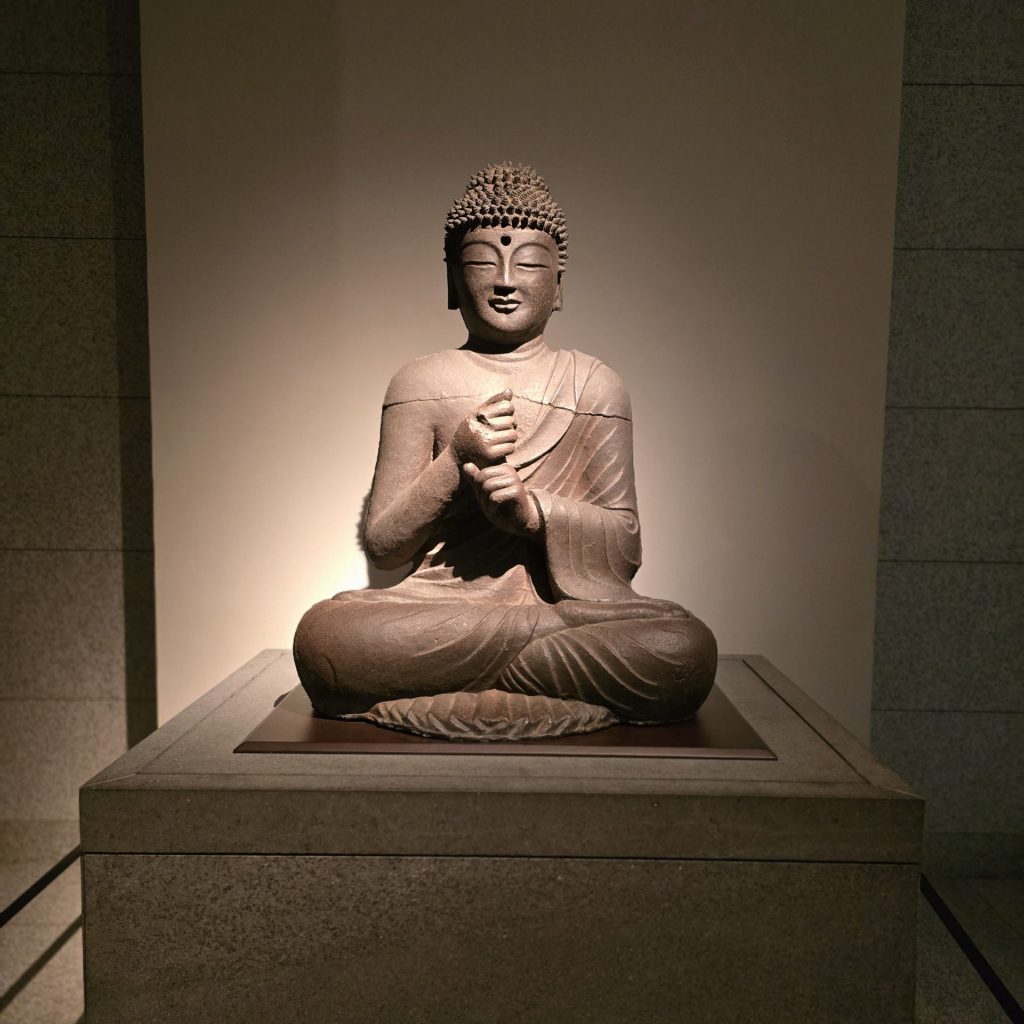
At the National Museum of Korea, students viewed collections spanning Korean archaeology, Buddhist art and royal artifacts. The museum reinforced historical themes introduced earlier in the trip while exposing students to one of Asia’s leading cultural institutions.
The group also visited the Leeum Museum of Art in Seoul, where students encountered both traditional Korean artwork and contemporary international exhibitions. The museum experience encouraged discussion about artistic interpretation, cultural identity and the relationship between tradition and modernization.
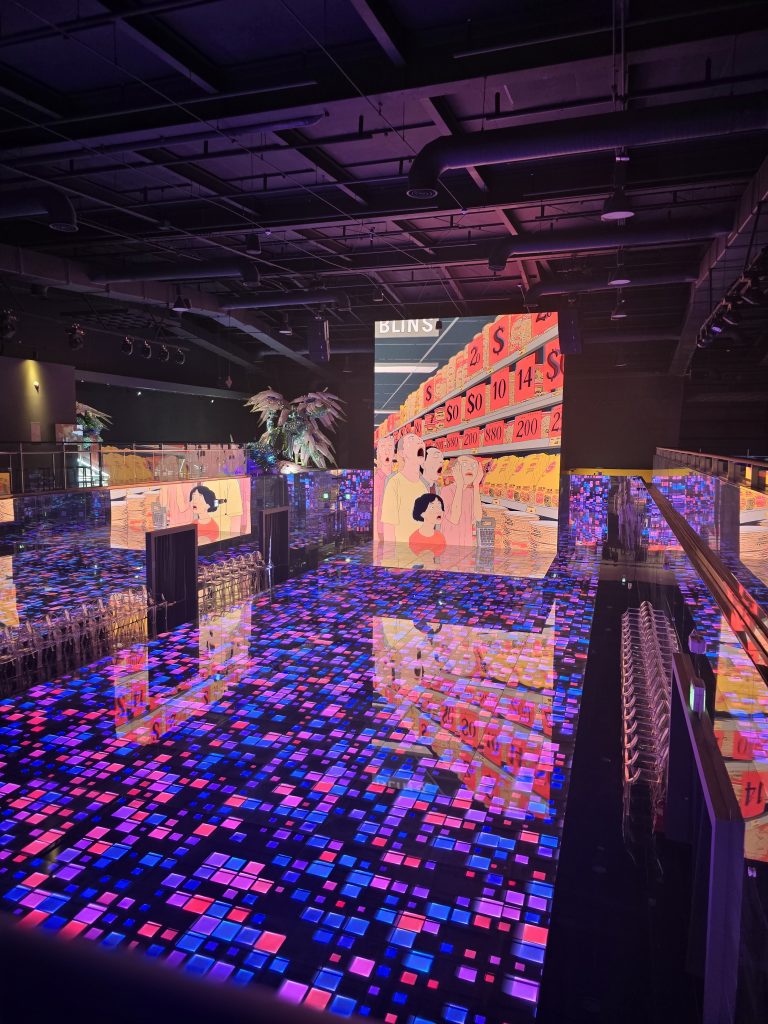
In Busan, students visited Museum 1, an immersive digital media museum focused on technology-driven art experiences. The museum highlighted South Korea’s leadership in digital creativity and interactive design while exposing students to emerging forms of artistic expression.
Experiencing Korean Food and Daily Life
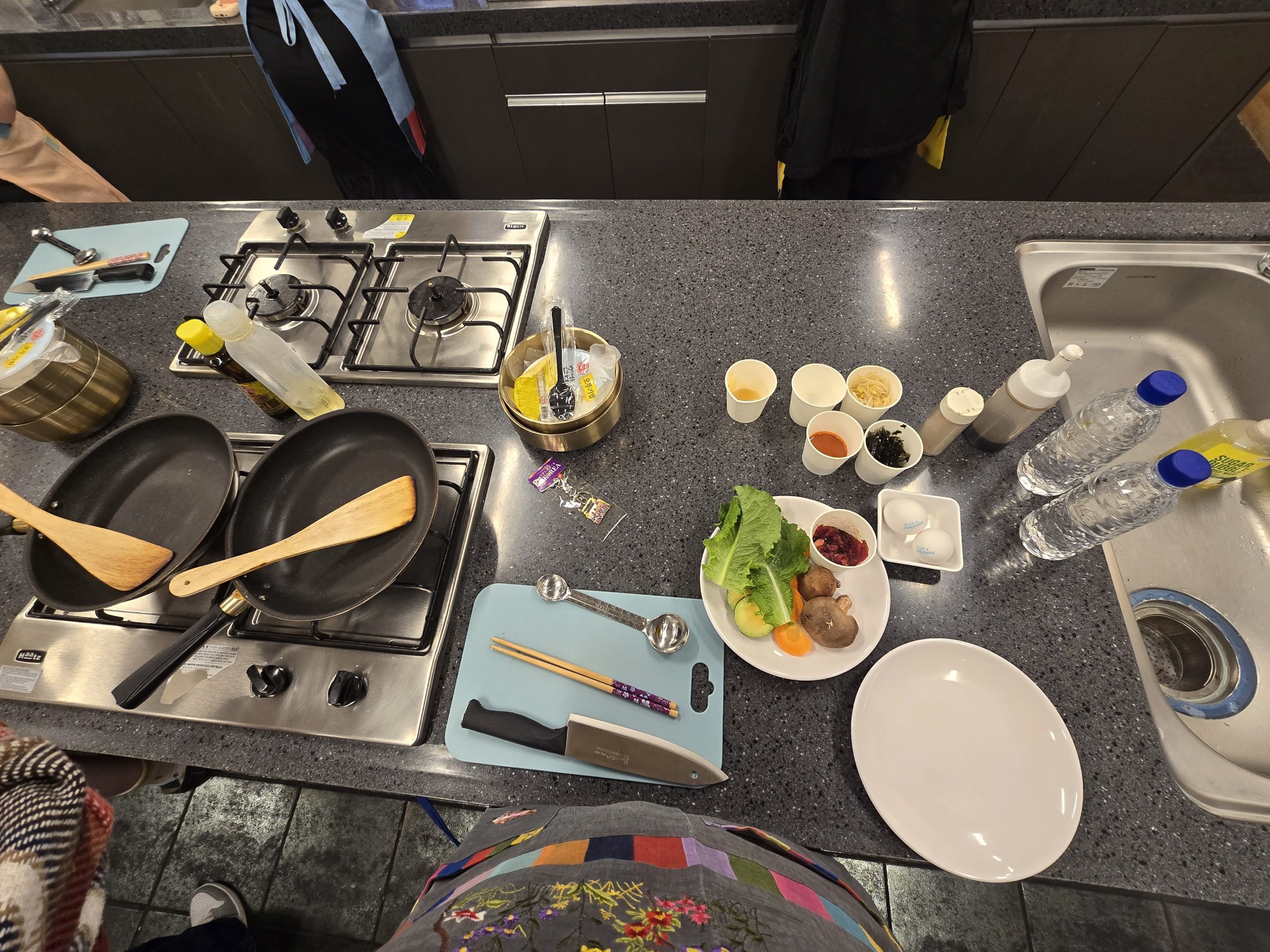
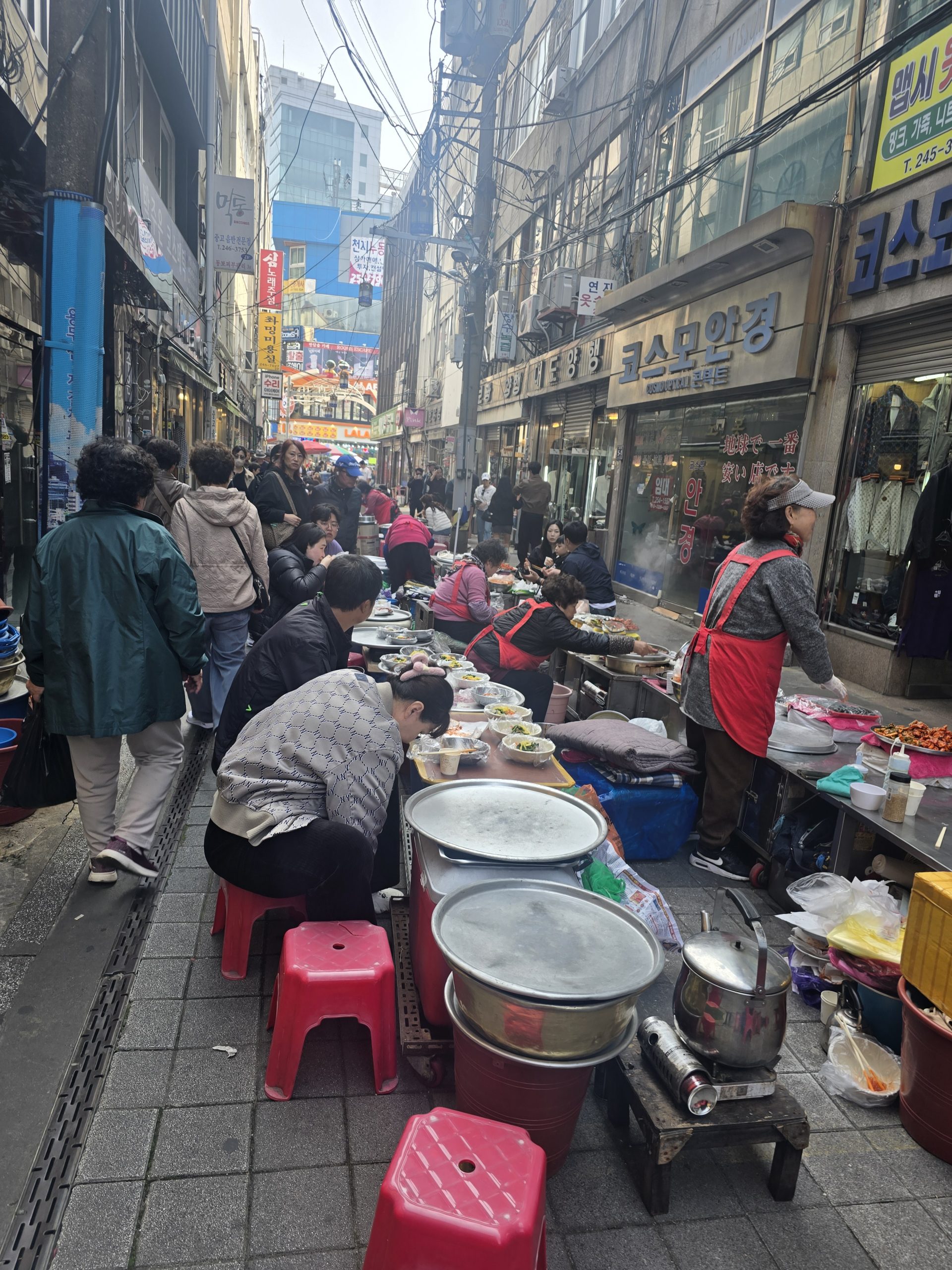
Food and daily cultural experiences played an important role throughout the journey. Students participated in a Korean cooking class, preparing traditional dishes under the guidance of local instructors.
Hands-on culinary experiences encouraged collaboration while teaching students about ingredients, etiquette and regional food traditions.
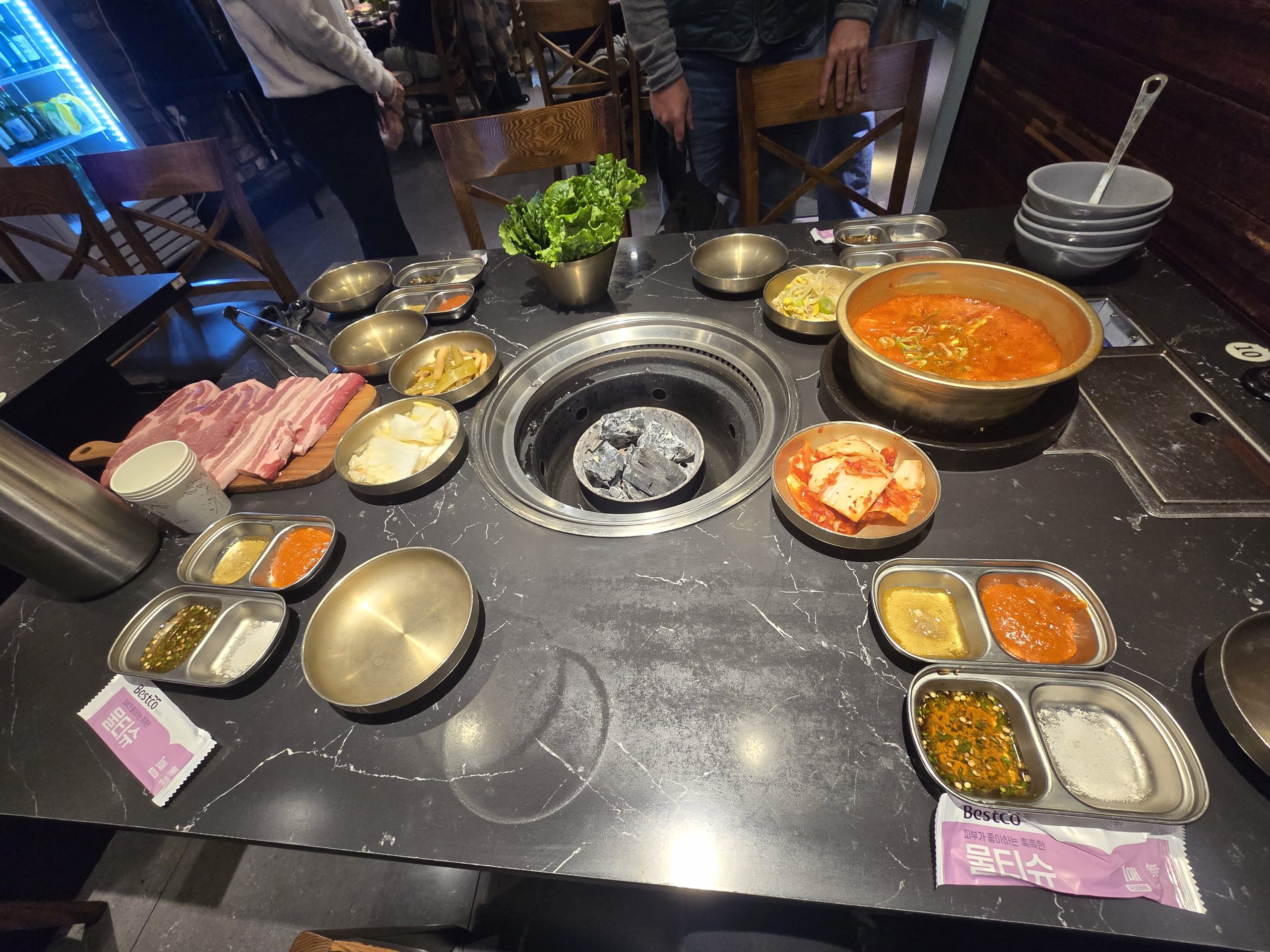
Meals throughout the trip were intentionally integrated into the educational experience. Travelers sampled local cuisine in markets, neighborhoods and coastal districts while learning how food reflects geography, history and community life in Korea.
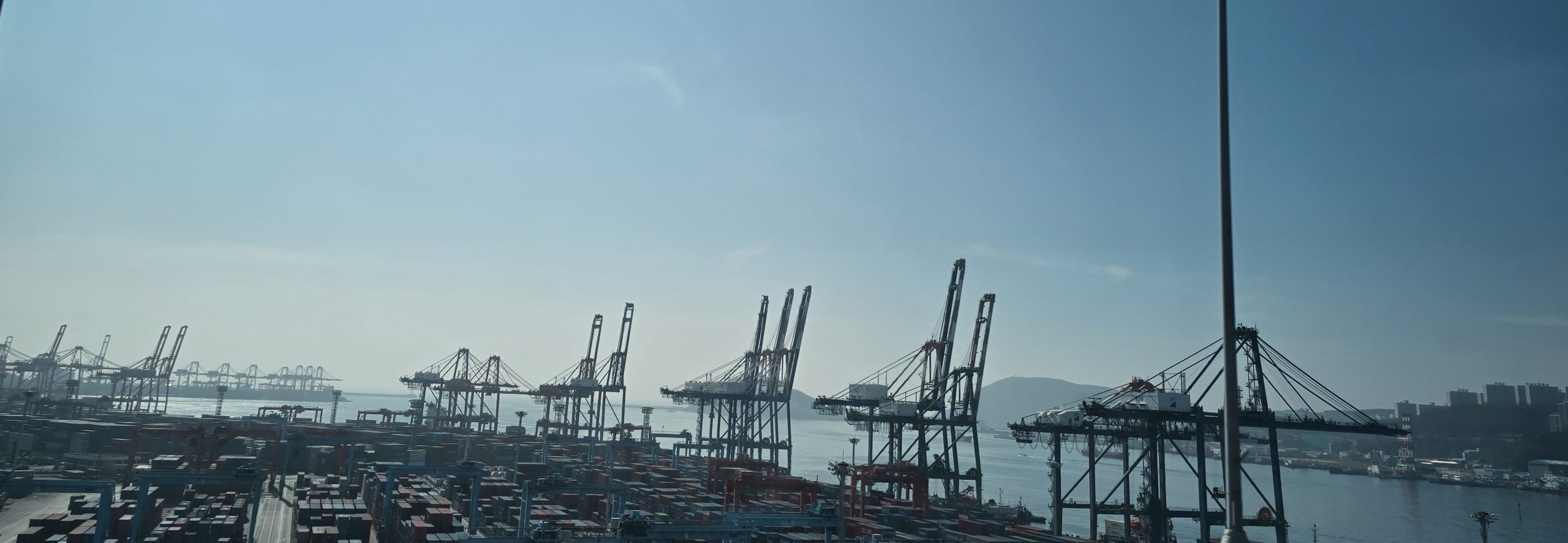
Visits to places such as Jagalchi Fish Market in Busan further expanded these lessons. The group observed Korea’s seafood industry and explored one of the country’s best-known local markets.
Regional Exploration Beyond Seoul
Traveling beyond Seoul allowed students to compare different regions of South Korea and understand how geography shapes local culture and lifestyles.
In Busan, students experienced Korea’s coastal environment through activities including the Haeundae Blueline Park train and the Cheongsapo Skywalk overlooking the East Sea.
Students also explored Gamcheon Culture Village, known for its colorful hillside homes, public art and creative redevelopment. The visit demonstrated how communities can preserve local identity while transforming urban spaces through arts and tourism initiatives.
The itinerary included time for wellness and reflection as well. At Spa Land Centum City, students experienced a traditional Korean-style spa environment that introduced another aspect of Korean daily life and social culture.
South Korea: An Ideal Educational Travel Destination
By balancing structured educational programming with experiential learning opportunities, international travel itineraries can successfully combine academic objectives with meaningful cultural immersion.
Westridge students encountered Korean history, art, food, technology and contemporary society through direct participation rather than passive observation. From royal palaces and museums to cooking classes, markets and performing arts, each experience reinforced the value of learning through engagement.
South Korea continues to be an increasingly strong destination for educational international travel because it offers schools a rare combination of historical depth, modern innovation and student-friendly programming.