Human Rights Month: Top U.S. Civil Rights Sites for Student Learning
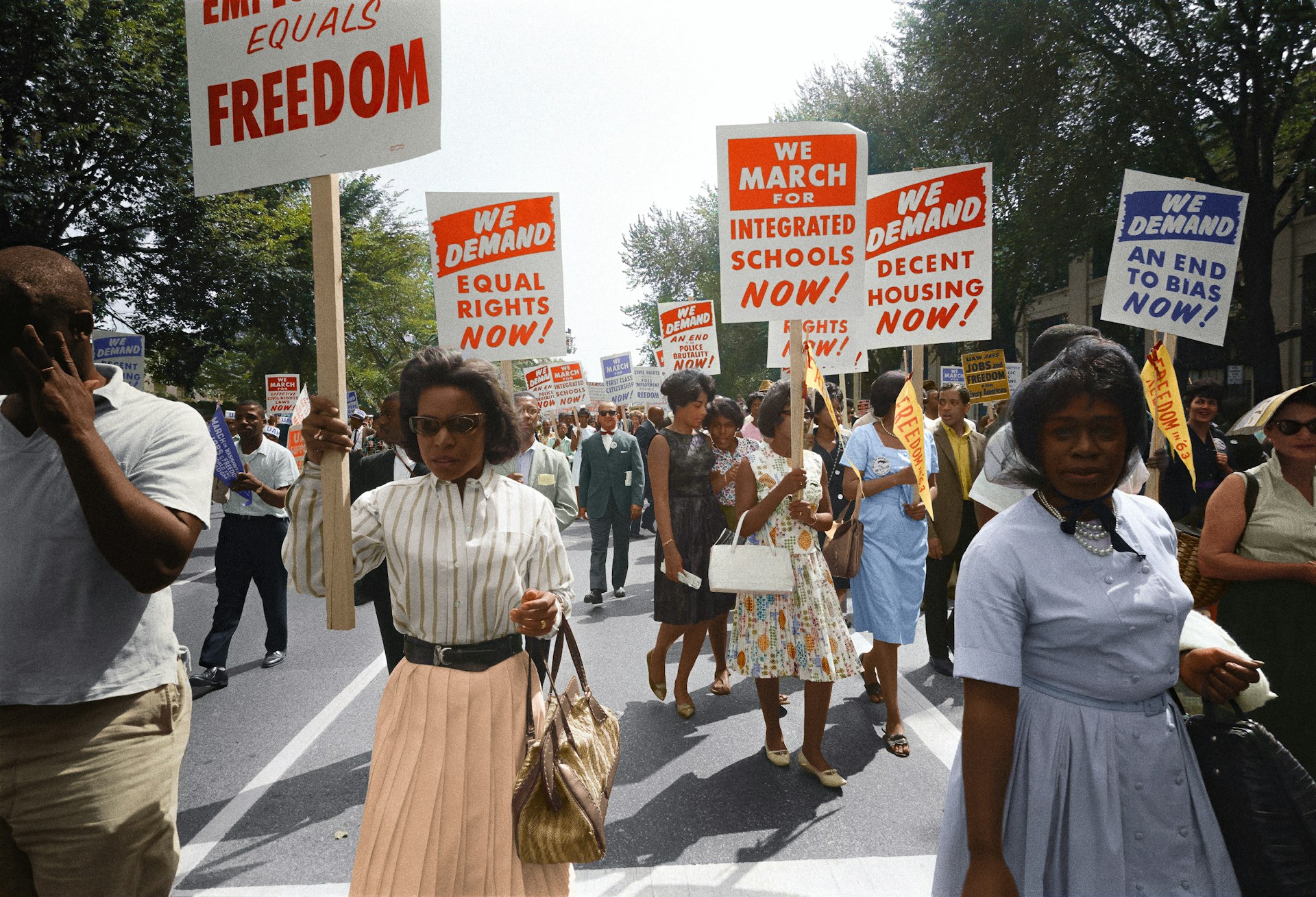
Human Rights Month is an important time for students to examine the people and events that shaped the Civil Rights Movement. Several U.S. destinations offer powerful, curriculum-aligned learning experiences. These museums and historic sites help students connect classroom lessons to real stories of courage, activism and resilience.
The Rosa Parks Museum — Montgomery, Alabama
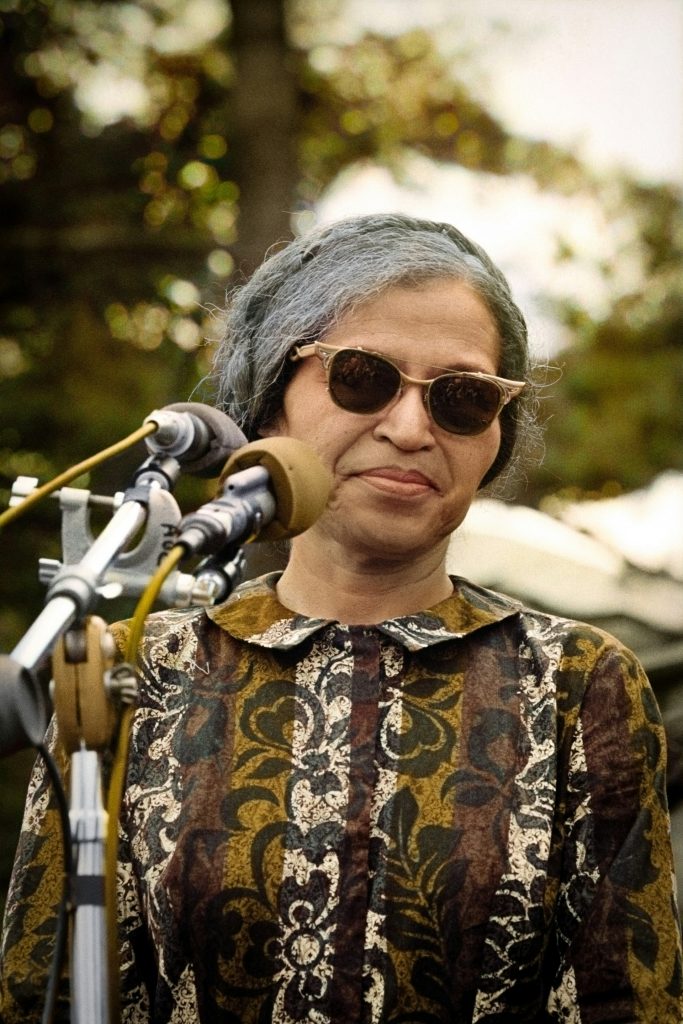
The Rosa Parks Museum is located on the site where Parks was arrested in 1955. Students learn about her role in the Montgomery Bus Boycott and the movement that followed. Interactive exhibits and archival materials show how one act of resistance helped ignite national change. The museum also offers educational programs that support history and civic learning.
The Legacy Museum and National Memorial for Peace and Justice — Montgomery, Alabama
The Legacy Museum examines the history of racial injustice in the United States. It guides students through the eras of enslavement, segregation and mass incarceration.
The nearby National Memorial for Peace and Justice honors victims of racial terror lynching, creating a space for reflection and discussion. Together, these sites give students a deeper understanding of systemic inequality and human rights.
Center for Civil and Human Rights — Atlanta, Georgia
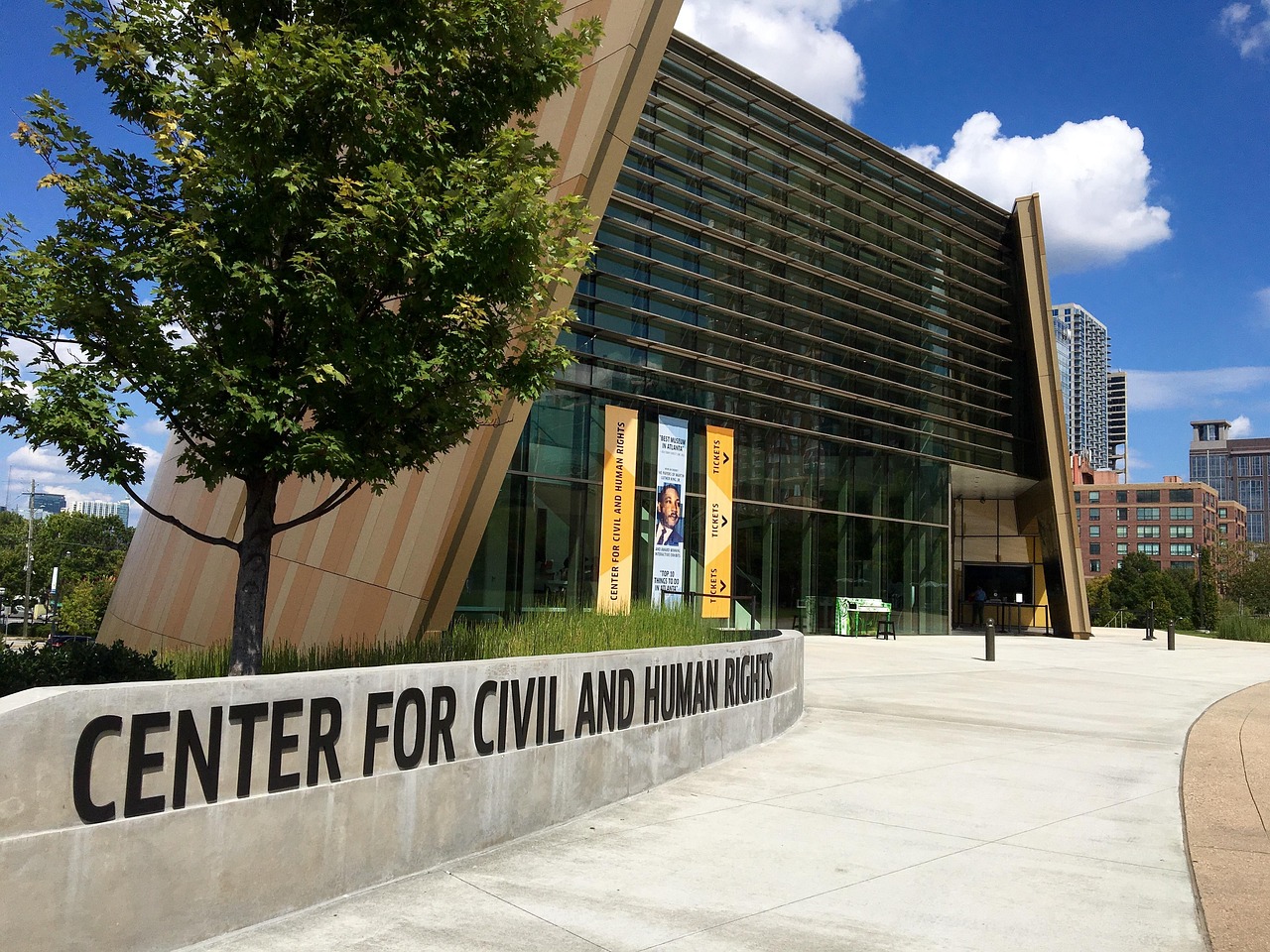
The Center for Civil and Human Rights connects the American Civil Rights Movement with modern global human rights issues. Students explore exhibits that highlight the work of key activists and the challenges they faced. The museum’s galleries include powerful interactive displays, such as the lunch counter simulation, which encourages reflection on courage and nonviolent protest. Its focus on both past and present helps students understand how human rights work continues around the world.
Birmingham Civil Rights Institute — Birmingham, Alabama
The Birmingham Civil Rights Institute explores the city’s central role in the fight for civil rights. Students see exhibits that document protests, bombings and local activism.
The museum sits across from the historic 16th Street Baptist Church, offering important context for the 1963 bombing that killed four girls. These sites help students understand the human cost of discrimination and the resilience of those who fought for justice.
National Civil Rights Museum — Memphis, Tennessee
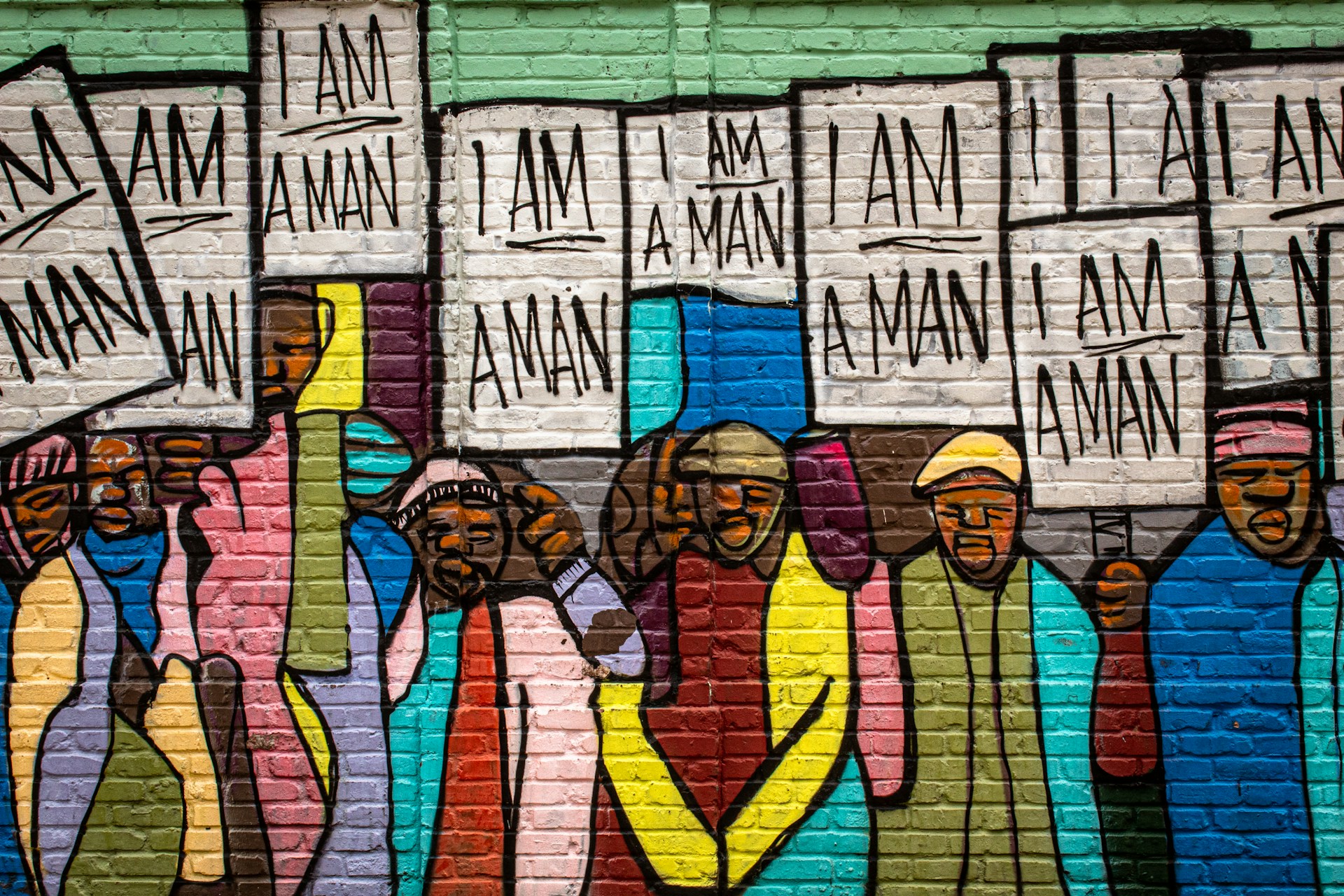
The National Civil Rights Museum is built around the Lorraine Motel, where Dr. Martin Luther King Jr. was assassinated. Students explore exhibits that trace the movement from the 17th century to the present. The museum presents primary sources and multimedia displays that bring history to life. Its focus on activism encourages students to consider their own roles in creating positive change.
International Civil Rights Center & Museum — Greensboro, North Carolina
This museum preserves the site of the 1960 Greensboro sit-ins. Students learn how four college students challenged segregation by taking seats at a whites-only lunch counter. The original counter remains in place, creating a powerful connection to the courage of young activists. Tours and programs support discussions on protest, leadership and civic participation.
Why These Sites Matter for Student Learning
Human Rights Month offers a meaningful opportunity to deepen students’ understanding of justice and equality. These destinations help students confront difficult history in a structured, supportive setting. These experiences stay with them and strengthen their understanding of human rights in their own communities.
For educators, planning a trip to Civil Rights sites provides an unmatched chance to connect students with firsthand accounts of American history.